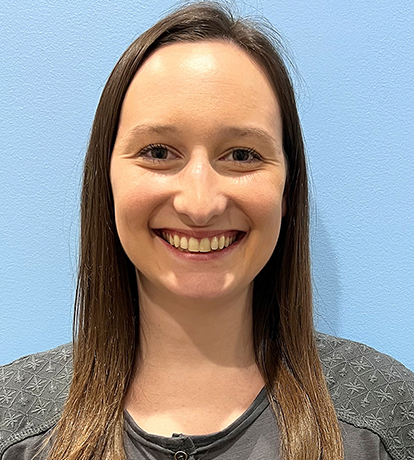
Helping Children with ASD Get Better Sleep

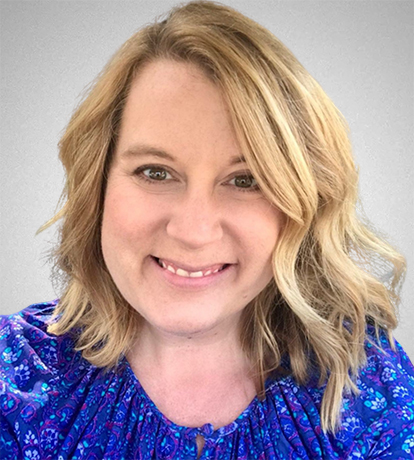
BY KERRY PETERSON, MA, CCC-SLP, BCBA
Speech-Language Pathologist
Board-Certified Behavior Analyst

A good night’s sleep is critical for all children as it con-tributes to healthy growth, improved attention and learning, and reduced risk for illness and injury. “Good sleep” means the child falls asleep within a short time after being put to bed and sleeps through the night.

Children on the autism spectrum are even more likely to have sleep difficulties, such as taking a very long time to fall asleep, an inability to fall asleep on their own, and frequently waking in the night. However, our research-based methods can help all types of kids. In the absence of a medical cause for challenges, these steps may help your child get a better night of sleep.

Establish an appropriate schedule
If a child takes more than 15-30 minutes to fall asleep, it’s possible they are being put to bed too ear-ly. Be sure your child gets plenty of active engage-ment, sunlight, and exercise during the day so they are tired at night. Avoid naps as naptime hours can result in difficulty falling asleep at night.

Create predictable nighttime routines
These activities should be calming for your child and completed in the same order every night. Visual schedules are helpful to let the child see what’s ahead. If possible, move your child’s least-preferred tasks to earlier in the day. For example, if teeth brush-ing causes tantrums, do it after dinner but well before bedtime. Limit snacks and drinks with sugar or caffeine throughout the day and limit all food and drinks 90 minutes before bedtime.

Ensure an optimum sleep environment
Establish the bedroom as a place to sleep and be sure toys, electronics, and other fun items are out of bounds at bedtime. Cooler temperatures and dim lighting can encourage sleepiness. White noise or a fan may be better than music for helping your child fall asleep.

Identify sleep dependencies
These are items that we associate with falling asleep. While some are helpful as comfort items (such as a favorite stuffed animal), others are not conducive to good sleep, including being rocked to sleep, watching TV to fall asleep, and requiring the presence of anoth-er person to fall asleep.

Reduce interfering behaviors
If a child keeps getting out of bed and adults offer snacks, hugs, kisses, and attention, it’s likely they will get out of bed more often. Instead, reward your child for staying in bed all night by giving them a “great night ticket” they can trade in for a preferred activity during the next day.


How to Treat Extreme Picky Eating in Kids

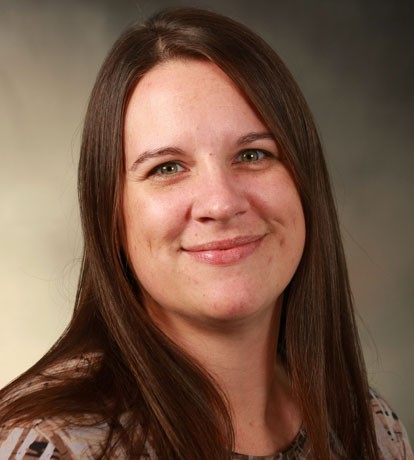
BY AMY HENGSTEBECK, OTRL
Occupational Therapist

When people talk about kids who are picky eaters, the conversation usually revolves around how to encourage kids to eat a better variety of foods, not necessarily why the child is a picky eater. And yet the “why” of picky eating can play a major role in helping kids overcome it.

It’s true that some kids are just fussy. They like what they like and they don’t want to eat other foods.

But some other causes of picky eating – the extreme version of the issue – are more complicated than that. For instance, if a child has a decreased awareness in his or her mouth, they can struggle to feel their food and can become overwhelmed and give up on eating.

If a child has decreased coordinated movements of oral structures, the child is not able to smoothly move the chewed food in their mouth and is at an increased risk of choking. Muscle weakness in the mouth can be another factor, which can cause kids to avoid foods, like meats, that require stronger jaw muscles.

In some cases, kids who struggle with certain food textures are found to have tactile defensiveness. This is when a child struggles processing touch and may lead the child to avoid foods like applesauce or yogurt, for instance.

So what do parents do?

Get an oral motor/feeding evaluation from a professional such as an occupational therapist or speech-language pathologist. During the evaluation, all components of eating will be assessed. These include structures used for feeding and the child’s strength and coordination. The professional will also evaluate how the child processes touch and what textures he or she avoids. In general, the child’s reaction to various foods will be recorded to determine the root of the behavior and how best to help.

Often occupational therapy can help address the sensory components necessary to “ready” a child for mealtime. Sometimes the implementation of a playful approach to feeding is recommended. This can include exploration of the food, preparing the food and interacting with it in various positive ways. Overall, therapy for extreme picky eating involves collaborating with the parent to help the child overcome the issue and enjoy a varied and healthful diet.

Summer Sensory Ideas to Retain School Skills

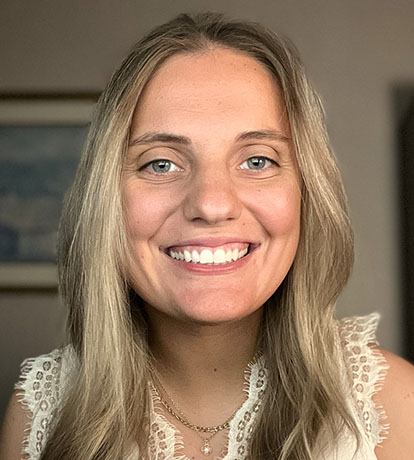
BY CHRIS PURGATORI, MOT, OTRL
Occupational Therapist

Summer is here! While many kids thrive on relaxed days and fun activities, others struggle without the structure and routine they’re used to during the school year. Meanwhile, parents worry that time off from school will cause their children to fall behind. Summer sensory activities can help! Kids of all abilities benefit from sensory play, which increases brain functioning, improves emotional regulation, and supports their ability to process new information.

Start your adventures by sharing the “plan for the day” with your kids using a picture, verbal or written schedule. This gives them the routine they crave and assists with easier transitions, including going back to school in the fall.

  • Beach trip. Walking or playing in the sand provides great tactile input that can be used for calming and organizing a child’s body. Forming letters in the sand also adds tactile input to handwriting practice.
  • Outdoor scavenger hunt. The outdoors is filled with unique, tangible objects to aid in the learning process. Challenge your children with multistep directions (find something that is crunchy and something that is green). Teach same versus different skills and solve math problems (two sticks plus three worms equals five total items).
  • Outdoor obstacle courses. Sequences provide movement and heavy work that calm and organize while improving body and spatial awareness. An example: roll down a hill, go down a slide, complete a hopscotch grid then bike ride for a certain distance.
  • Swimming. Swimming provides movement and heavy work which aids in regulation, engagement and body awareness. It can also improve bilateral coordination that aids handwriting, cutting and coloring skills.
  • Play at the park. Climbing, swinging and balancing required by many playground activities improve fine motor control and increased body awareness.
  • Nature hunt. Create cards with pictures of 10-15 items such as trees, flowers, bees, clouds and bikes. When a child finds an item while out and about, ask them to write the word before marking it off on their board. This helps with handwriting and the visual scanning needed for reading.
  • Chalk or sidewalk paint. Use these media to work on writing shapes and letters or to solve math problems. Chalk adds an additional tactile input to improve overall memory; using a squirt bottle filled with water to erase the chalk improves hand strengthening.
  • Sports. Activities that address hand-foot-eye coordination, bilateral coordination and crossing the body’s midline help with reading, writing and body awareness.

Summer provides endless opportunities to continue the learning process right in your own backyard! We hope you have a great time together.

K-SLP Treatment Kit 1 & Kit 2

Teaches children to combine consonants and vowels to form words


The Kaufman apraxia treatment methods build intelligibility through a hierarchy of successive approximations based on natural phonological processes. Use this approach to shape and expand verbal communication while controlling for speech motor coordination difficulty throughout the treatment process.

Published by Northern Speech Services
Take Nancy Kaufman's 6-hour class on her methods here

This highly effective approach builds intelligibility through a hierarchy of successive “word shell” approximations based on least physiological effort of target words. The clinician also is able to introduce more complex phoneme patterns as the child’s ability improves, thus maintaining the child’s ability to speak at his or her maximum level.

Kit 1 teaches children to combine consonants and vowels to form words while controlling for oral-motor difficulty. The 225 visual referent cards were selected specifically to target and teach the syllable shapes children need to master to become effective vocal/verbal communicators. Treatment methods employ a systematic and progressive approach of simplifying word pronunciation patterns to shape and expand verbal expression and make communication easier for children with childhood apraxia of speech and other speech sound disorders.

This highly effective approach builds intelligibility through a hierarchy of successive “word shell” approximations based on least physiological effort of target words. The clinician also is able to introduce more complex phoneme patterns as the child’s ability improves, thus maintaining the child’s ability to speak at his or her maximum level.

Kit 2 refines intelligibility for children who have mastered sounds in Kaufman Kit 1 (p, b, m, t, d, n, h, w). Advanced level Kit 2 then works to refine articulation and build higher motor-speech coordination. Kit 2 uses familiar two and three-syllable words to target more complicated motor-speech movements and synthesis into initial and final word positions. Kit 2 targets synthesis of /f, g, k, l, s, sh/ and blends /s, r, l/ plus ber and ter.

Hear about the kits directly from Nancy Kaufman in this video:

Community Outreach

Giving back locally and beyond


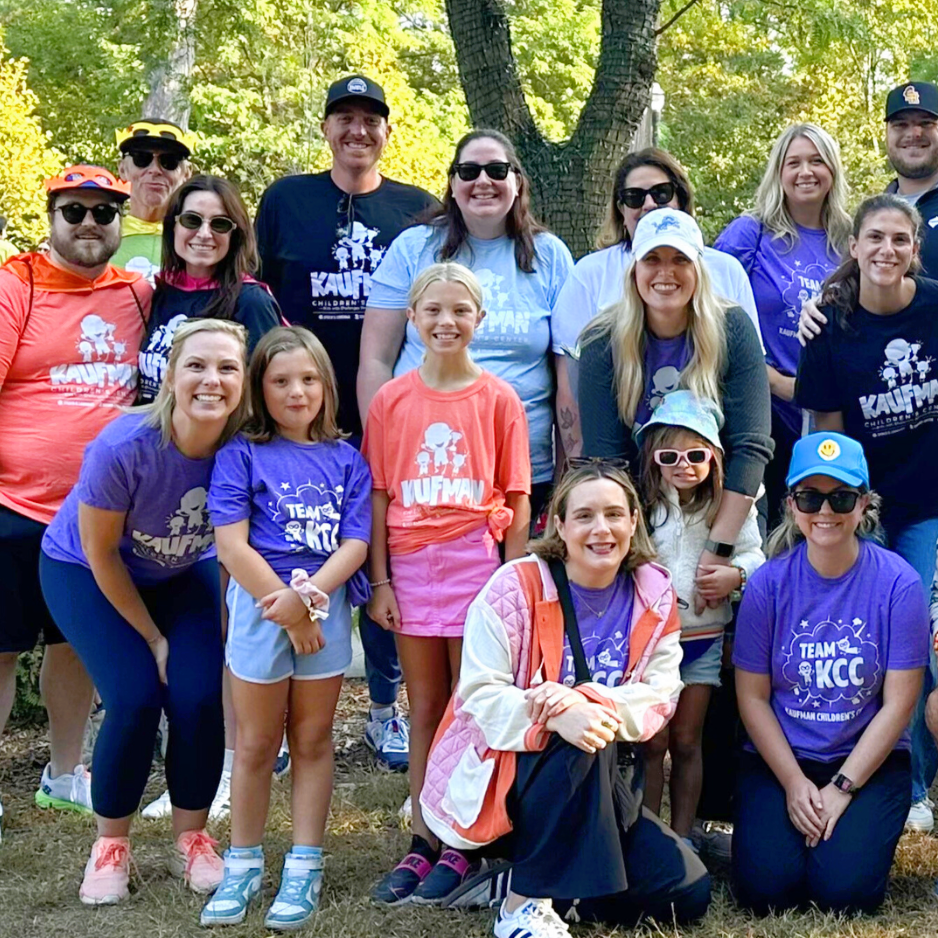
Nancy Kaufman and the staff of Kaufman Children’s Center enjoy opportunities to make life better for children and their families. Here are just a few of the organizations with which we’ve shared our expertise, time, and financial resources.

The Autism Alliance of Michigan leads collaborative efforts across the state to improve the quality of life for individuals with autism through education, comprehensive services, community awareness, inclusion efforts, and coordinated advocacy.

The KCC is proud to help in these efforts and has sponsored and participated annually in the organization’s Navigating Autism Conference, Michigan Shines for Autism Gala, and the Autism Hero Walk.

AAOM WEBSITE

Apraxia Kids is an organization that helps strengthen the support systems in the lives of children with apraxia of speech (CAS) so that each child is afforded their best opportunity to develop speech and communication.

As a well-known apraxia expert, Nancy Kaufman served as a long-term member of Apraxia Kids' professional advisory board and presented her methods at the organization’s annual conference and other events.

KCC is a long-time sponsor of Apraxia Kids' walks, contributing funds and resources to parent-led apraxia efforts in cities across the country. The events are a wonderful way to raise both awareness about apraxia and critical funds for programs and research, as well as a chance to celebrate the resilience of children with apraxia.

APRAXIA KIDS WEBSITE

OUCARES (Oakland University Center for Autism) provides innovative programs for teachers and opportunities for individuals living with autism spectrum disorder and their families. The multifaceted approach includes education for professionals, research in the field of autism education and daily living, and support services for families.

KCC’s occupational therapy staff facilitates a sensory room each year at OUCARE’s Family Fun Day. Our OTs provide fun sensory-based activities for kids, as well as a quiet space to get away from the hubbub of the event.

OUCARES WEBSITE

A major instrument of Jewish philanthropy and engagement in the Detroit area, the Jewish Federation is a community-drive organization committed to taking care of the needs of Jewish people and building a vibrant future.

KCC is a sponsor of many Federation events, especially those under the umbrella of “Opening the Doors,” an inclusion program that enables diverse learners to be included and engaged in Jewish education with their peers.

JEWISH FEDERATION WEBSITE

MetroParent is an online parenting community offering expert advice, stories on parenting trends and issues, and numerous ways for parents to enrich their experiences raising the next generation.

KCC is a sponsor of Metro Parent’s Living with Autism workshop, which gives parents and professionals the chance to connect with doctors, service providers, and more. Our therapists are regular featured presenters, providing expert information on a variety of topics related to ASD.

METRO PARENT WEBSITE

Friendship Circle provides assistance and support to 3,000 individuals with special needs and their families through recreational, social, educational, and vocational programming. Friendship Circle also provides support to individuals and families struggling with isolation, addiction and other family-related crises.

KCC is a supporter of the Friendship Circle’s Walk 4 Friendship, an amazing community event that raises crucial funds for the organization and awareness for children, teens and young adults with special needs.

In addition, the KCC was a sponsor of the Friendship Circle’s Perspective program, a series of six seminars that provided helpful information to parents and caregivers of individuals with special needs.

In 2015, the Friendship Circle opened the Farber Soul Center to provide a loving and inclusive environment for adults with challenges who have graduated from the Friendship Circle. The KCC took up a holiday collection to support the new center.

FRIENDSHIP CIRCLE WEBSITE

JARC is a non-profit organization providing a rich continuum of services for those with developmental disabilities. Their efforts range from in-home respite care for children and young adults to independent living services and group homes for adults.

KCC is a sponsor of JARC’s Spring Elation fundraising event, which raises critical funds to support JARC’s important work. In addition, Nancy Kaufman has presented valuable information to JARC’s staff on the nature of communicative challenges.

JARC WEBSITE

Nancy Kaufman has shared her methods and experiences with thousands of undergrad and graduate students in speech-language and other communication courses. She has guest lectured at many universities, including Wayne State, Michigan State, the University of Michigan, Eastern Michigan, Purdue, the University of Hawaii, and the University of Toronto.

CONTACT

We're here to help!
Reach out with questions

Center Policies

Guidelines about your child's participation at KCC


Please email or call our front office at 248-737-3430 with questions about KCC policies

We understand that you may have to cancel your child's appointments from time to time for valid reasons. We also know that meaningful progress can only occur when children consistently attend their sessions.

Our policies regarding attendance and cancellations for each department are listed below. Please keep in mind the importance of consistent attendance and be sure to cancel your appointments in a timely manner.

ATTENDANCE POLICIES

  • We ask all KCC families to maintain a 75% attendance rate per interim (every 4 months) to ensure meaningful progress in therapy.
  • Please keep in mind as you schedule vacations that we are not able to hold spots for longer than 2 weeks.
  • Children who are not feeling well should not attend sessions (see illness policy on this page). Families will not be penalized if we are notified in a timely manner (see below).

CANCELLATION POLICIES

Please keep in mind the following if your child's session must be cancelled:

  • Give us as much notice as possible but no less than 3 hours prior to your scheduled session(s).
  • Sufficient notice of cancellations allows us to accommodate families who have asked for additional sessions.
  • Make sure you cancel with each department and with each of your therapists.

If you do not cancel at least 3 hours before your session or your child is absent and you have not notified us (a “no show”):

  • First occurrence: You will not be charged, as a courtesy and reminder to adhere to the attendance policy.
  • Second occurrence: You will be charged a fee of $40 per speech/OT service. These fees are your responsibility and will not be billed to insurance.
  • Third occurrence: You will be charged a fee of $40 per speech/OT service (your responsibility and not billed to insurance), and you will be removed from the schedule. If you would like your child to continue services, you will be placed back on our waitlist for a time that works better with your schedule.

We thank you for your continued support and understanding. If you have any questions, please email Diane or call 248-737-3430.

ABSENCES DUE TO ILLNESS

Please refer to our illness policy to determine when to keep your child home. There will be no charge for missed days due to documented illness.

PLANNED ABSENCES

KCC understands the importance of family time away for vacation. We require a minimum of 2 weeks’ advanced notice for any planned time away from regularly scheduled ABA therapy. We strongly recommend children do not miss more than one week of regularly scheduled ABA therapy. Several short breaks are scheduled into the calendar year.

Regular attendance and access to ABA treatment is critical for achieving maximum benefit. Children are expected to arrive on time and be present for all scheduled treatment sessions.

If attendance drops to 80% or below you will be contacted by the clinic coordinator and the building director. If missed sessions continue and/or adequate notice of absences are not being provided, families will be charged $75 per day.

Please keep in mind the following if your child's session must be cancelled:

  • Please notify the KCC that your child will be out by contacting Kayla Perdue (clinic coordinator) by phone at 248-847-4060 or by email. You are welcome to cc your BCBA on your email to Kayla but the BCBA should not be your main point of contact for schedule changes, as they are not able to check email as
    regularly.
  • Full-day or morning-only child: Please call to cancel no later than 7:45 AM.
  • Afternoon-only child: Provide at least 3 hours’ notice (if your child's session begins at 1:00 PM, let us know by 10:00 AM; if your child’s session begins at 12:30 PM, let us know by 9:30 AM).
  • Make sure to cancel with each department and with each of your child's therapists.

If you do not cancel as detailed above, or your child is absent, and you have not notified us (a “no show”):

  • First occurrence: You will not be charged, as a courtesy and a reminder to adhere to the attendance policy.
  • Second occurrence: You will be charged a fee of $75 per session for ABA and $40 for speech and/or OT services per day. These fees are your responsibility, will not be billed to insurance, and will be billed to your credit card on file.
  • Third occurrence: You will be charged a fee of $75 per session for ABA and $40 for speech and/or OT services per day (these fees are your responsibility, will not be billed to insurance, and will be billed to your credit card on file) and you may be removed from the schedule. If you would like your child to continue with ABA services, you may be placed on our waitlist.

Late arrival/pick up: We appreciate your effort to arrive and pick up your child on time. Arriving on time is critical to ensure treatment plans are being met as authorized and for your child to benefit to the greatest extent possible. Picking up your child on time ensures adequate time for data management and documentation at the end of a session.

We thank you for your continued support and understanding. If you have any questions, please email Kayla or call 248-737-3430.

  • The center will be closed when West Bloomfield Schools close due to inclement weather and/or road conditions but not for other reasons such as low temperatures, building problems, etc.
  • Speech therapy, occupational therapy, and ABA sessions at KCC will be closed for the entire day. For consistency, this also includes teletherapy sessions.
  • If KCC is open and you decide to keep your child home, please be sure to communicate with your therapist or call the front desk at 248-737-3430.

KCC kids are young and, in some cases, have vulnerable immune systems. To keep the center a healthy environment for everyone, we ask that kiddos and therapists remain home if they exhibit any of the following:

  • Temperature at or above 100.4 degrees
  • Vomiting or diarrhea (with or without fever)
  • Runny nose that’s frequent and accompanied by lethargy or frequent coughing
  • Frequent wet or productive cough
  • Conjunctivitis (pink eye)
  • A positive culture for streptococcal throat infection (strep throat) – exclusion until child has had at least 24 hours of appropriate treatment and is fever-free
  • A quickly spreading rash
  • Head lice, scabies, and ringworm – exclusion until child has had at least 24 hours of appropriate treatment

If your child will be absent due to illness, please follow our cancellation policies. We MUST be notified immediately of contagious illnesses so all visiting families can be made aware of possible exposure.

Kids may return to the center if they are symptom-free for 24 hours without the aid of medication.

If any of the above symptoms are observed during therapy, the parent/guardian will be notified immediately and will be expected to pick up their child within the hour of contact.

CONTACT

We're here to help!
Reach out with questions

KCC Administrative Staff

Meet the friendly faces supporting your child's treatment


NANCY R. KAUFMAN

KCC DIRECTOR
Speech-Language Pathologist
MA, CCC-SLP

Nancy is the owner and director of Kaufman Children’s Center and a renowned expert on the topic of childhood apraxia of speech (CAS). In addition to working with local children, she offers intensive speech and language programs that bring families from other states and around the world to work with her at the KCC.

Since 1979, Nancy has dedicated herself to developing the Kaufman Speech to Language Protocol (K-SLP) methods and materials to help kids become effective vocal communicators. She lectures internationally and over 20,000 speech-language pathologists have learned the K-SLP directly from the creator.

Nancy earned her bachelor’s degree at Michigan State University and her master’s at Wayne State University, having been awarded a graduate assistantship. She and her husband reside in West Bloomfield, Michigan and have three grown children, a son-in-law, and two granddaughters.

Honors & awards:

Additional career highlights:

Visit Nancy’s page to learn more about her methods and the services she offers

AMY HENGSTEBECK

KCC ASSISTANT DIRECTOR
Occupational Therapist
OTRL

Amy was named the center’s assistant director in 2024 after serving as the director of occupational therapy and sensory integration programs since 2014.

She earned her bachelor’s degree in occupational therapy from Wayne State University.

Amy has previous experience working with inpatient orthopedic and outpatient pediatric patients in the hospital setting, as well as with spinal cord and traumatic brain injury cases.

She has been named a “Mom Approved Doc” by the readers of Metro Parent magazine.

Amy and her husband Josh have three children, and a crazy Australian Shepherd named Sadie.

KELLY SWAGLER

Administrative Director

Kelly has been with the KCC since 1992. She has a bachelor’s degree in linguistics from the University of Michigan.

In her free time, she enjoys thrifting with her husband, playing with her two cats, learning about mid-century modern design and architecture, hearing live music, organizing, and traveling.

CYNDI DAVIS

Communications &
Outreach Coordinator

Cyndi majored in English at the University of Michigan-Flint. She worked in journalism before moving to the communications and marketing field, first in public school districts and then here at the KCC since 2010.

Cyndi and her husband Joe have four sons. She enjoys reading, kayaking, traveling, and spending time with her family and their dogs.

DAWN FIELDS

Administrative Assistant

Dawn has been with the KCC since 2006. She earned her associate’s degree in office information systems from Schoolcraft College.

She enjoys reading, gardening, bike riding, and camping.

KAITLYN GENSMAN

Billing & Insurance Specialist

Kaitlyn earned an associate’s degree in social work from Grand Valley and is currently finishing her bachelor’s degree in human resources. She has previous experience working with insurance in emergency rooms and outpatient clinics.

Kaitlyn enjoys fashion, Detroit sporting events, exploring metro Detroit, and helping with local dog rescues. She has a boyfriend named Anthony and dogs named Clare and Obie.

DIANE REINHEIMER

Office Manager

Coming soon

KAYLA PERDUE

ABA Clinic Coordinator

Kayla earned a BA in family life education from Concordia University. She has experience in the ABA field as both a tech and a scheduling coordinator.

Kayla has two daughters with big hearts who keep her on her toes. She loves spending time with family and friends and enjoys summertime and going camping.

Speech Staff

Meet our team of speech-language pathologists

OT Staff

Meet our team of
occupational therapists

ABA Staff

Meet our team of
BCBAs and techs

How to Begin Speech/OT at KCC

A step-by-step guide to getting services for your child


Our staff is excited to help you get started at Kaufman Children’s Center! Here’s what to expect...

Please give us some basic information about your child via our intake form HERE. You can request both speech and OT therapy services on the same form.

You will receive a notification by email that we received your information. If there is a current wait list, it could be several weeks before we reach out to schedule your evaluation. If you would like an update, please call our office at 248-737-3430 or reach out to Dawn Fields by email.

An evaluation by a KCC therapist is required before beginning regular services. This allows us to formulate goals based on first-hand knowledge of your child. The evaluating therapist will go over your child’s background with you, then the fun begins. Our therapists are entertaining and truly know how to engage children. At the end of the evaluation, the therapist will go over their findings with you and follow up with a formal, written report.

If therapy is recommended, our front office staff will make every effort to provide a schedule that works for your family. Please understand that there may be a waitlist for after-school therapy times.

KCC bills directly to Blue Cross Blue Shield, Blue Care Network, and Health Alliance Plan. For all other insurance plans, payment is the responsibility of the parent. Our front office staff is happy to provide you with the codes you will need to try to get reimbursement from your insurance company. The fee for evaluations is due the day you are here, and all other therapy is billed on a monthly basis. Payment is accepted in cash, check, Visa, or MasterCard.

Intake Form

Give us a little info to get started

CONTACT

We're here to help!
Reach out with questions

Occupational Therapy Programs

Explore sensory and motor treatment options available at the KCC


Occupational Therapy

Treatment that helps a child’s ability to achieve independence in daily life activities

LEARN MORE

Sensory Integration

Help to process sensory information from the child's environment

LEARN MORE

Feeding Therapy

Addresses picky eating, oral motor weakness, and many other eating challenges

LEARN MORE

Therapeutic Listening

Auditory support for sensory processing, listening, attention, and communication

LEARN MORE

Handwriting Help

Making legible & fluent handwriting an automatic skill for children of all abilities

LEARN MORE

Craniosacral Therapy

Helping the body release negative effects of stress on the nervous system

LEARN MORE

How to Begin OT at KCC

A step-by-step guide to getting services for your child


Our staff is excited to help you get started at Kaufman Children’s Center! Here’s what to expect...

Please give us some basic information about your child via our intake form HERE. You can also request speech therapy services on the same form.

You will receive a notification by email that we received your information. If there is a current wait list, it could be several weeks before we reach out to schedule your evaluation. If you would like an update, please call our office at 248-737-3430 or reach out to Dawn Fields by email.

An evaluation by a KCC occupational therapist is required before therapy can begin. This allows us to formulate goals based on first-hand knowledge of your child. The evaluating OT will go over your child’s background with you, then the fun begins. Our therapists are entertaining and truly know how to engage children. The bulk of the evaluation will be spent one-on-one with your child, but you are welcome to watch in the OT gym.

At the end of the evaluation, the OT will go over their findings with you. If therapy is recommended,  our front office staff will make every effort to provide a schedule that works for your family. The OT will follow up with a formal, written report of their evaluation findings.

KCC bills directly to Blue Cross Blue Shield, Blue Care Network, and Health Alliance Plan. For all other insurance plans, payment is the responsibility of the parent. Our front office staff is happy to provide you with the codes you will need to try to get reimbursement from your insurance company. The fee for evaluations is due the day you are here, and all other therapy is billed on a monthly basis. Payment is accepted in cash, check, Visa, or MasterCard.

OT Intake Form

Give us a little info and we'll put you on our list

CONTACT

We're here to help!
Reach out with questions